
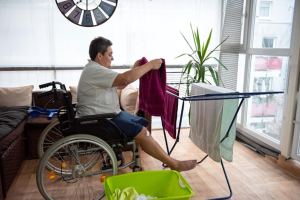
 For People with Disabilities by Sara M at Sanitair LLC
Keeping a clean and organized home supports physical health, emotional wellbeing, and dignity. For people with disabilities however, home cleaning can feel overwhelming due to mobility limits, fatigue, pain, or accessibility barriers. This does not mean that a safe and hygienic living space is out of reach. With the right strategies, adaptive tools, and thoughtful home layout, cleaning can become manageable and empowering. Cleaning is not about doing everything at once. It is about creating a system that works for you.
Understanding Your Physical Needs and Limits
Everyone experiences physical challenges differently, so your approach should reflect your mobility, strength, balance, and endurance. Some people may use a wheelchair full time, others may have limited grip strength, chronic pain, or fatigue that fluctuates day to day. Take time to identify tasks that are easy, tasks that require modifications, and tasks that should be outsourced. This honest assessment is a strength, not a limitation. It allows you to focus your energy where it matters most.
Creating an Accessible Cleaning Plan
Instead of traditional deep cleaning days, break tasks into small, achievable steps. A daily or weekly checklist can help prevent buildup while reducing physical strain. For example:
- One surface per day rather than an entire room
- Sitting while cleaning when possible
- Using timers to avoid overexertion
Planning cleaning around your best energy periods, such as mornings or after rest, can make a significant difference.
Wheelchair Accessibility at Home and Cleaning Ease
An accessible home plays a major role in how easily you can clean. Clear pathways, wider doorways, and furniture spacing allow smoother movement and reduce the risk of injury. For cleaning purposes, ensure that:
- Cleaning supplies are stored at reachable heights
- Trash bins are easy to access and empty
- Light switches and outlets are reachable from a seated position
Using wall-mounted organizers and pull-down shelves helps keep essentials within reach. Accessibility improvements not only support cleaning but also enhance overall safety and independence.
Choosing the Right Adaptive Cleaning Tools
Modern adaptive tools can dramatically reduce physical effort. Consider the following options:
- Lightweight cordless vacuums
- Long-handled dusters and mops
- Spray bottles with trigger-free designs
- Robotic vacuums for daily floor maintenance
These tools help conserve energy and allow you to clean more efficiently. Even small upgrades can have a large impact over time. We will have more next month!