
 NEWS from SELF-DIRECTED PA SERVICES
It is a prepaid debit card that is issued by some (not all) private Medicare Advantage plans, not the U.S. government. It can help pay for specific expenses, such as over-the-counter (OTC) medications, a grocery allowance for healthy food purchases, and copayments for dental, hearing and vision care.
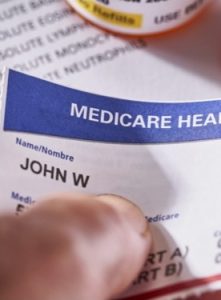
The stand-alone card is different than your Medicare card or health insurance card from Medicare Advantage, Medigap or another health plan.
Flex cards typically contain quarterly or annual allowances for OTC medications, drugstore items, healthy food, meal delivery, transportation and other extra benefits.
Like prepaid debit cards, flex cards are loaded with a predetermined amount to cover expenses within a specified time. But they also come with rules on what the money can be used for.
You may be able to use your flex card for OTC medications at certain pharmacies, for eyeglasses and contact lenses at select optical centers, or for copays with in-network dentists. Find out from your plan about requirements for using the card.
If you receive a quarterly allowance for OTC medicine and other drugstore items — say, $50 a quarter — scan the flex card at checkout; the money will automatically be applied to eligible items. Some flex cards work with online purchases too.
Some Medicare Advantage plans offer flex cards only to certain members, such as those with chronic conditions.
The flex card is one of many benefits to consider when deciding between original Medicare and Medicare Advantage. When choosing a Medicare Advantage plan, compare how the plan covers your regular medical expenses and medications, as well as its coverage for major medical issues. And find out whether the plan’s provider network covers the doctors and hospitals you want to use.
Beware of flex card scams if someone claims to be from Medicare offering one of these cards. It could be an ID thief trying to steal your personal information.
For more information check out AARP’s website.